Sweet Lemonade: A Handwritten Font for Authentic Branding
Finding a typeface that feels genuinely personal can be a challenge. Many fonts try to capture a handwritten aesthetic but end up looking either too childish or overly stylized. Sweet Lemonade occupies a different space. It’s a beautiful, smooth, and delicious handwritten font that delivers authenticity without sacrificing clarity. This isn’t just another script font; it’s a design asset with a specific personality that can elevate projects across multiple contexts.
Understanding the Visual Character of Sweet Lemonade
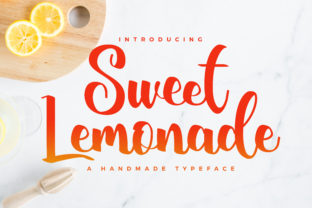
At its core, Sweet Lemonade is a premium font with a flowing, connected script style. The letterforms are crafted with a natural, slightly irregular rhythm that mimics real handwriting. You can see subtle variations in stroke weight and baseline, which are the hallmarks of a quality handwritten font. This isn't a rigid, mechanical script. It has a warmth and approachability that feels human.
The personality of this typeface is friendly, inviting, and slightly whimsical. It’s optimistic without being saccharine. The smooth curves and rounded terminals give it a soft, approachable feel, making it ideal for projects that aim to connect on an emotional level. Compared to more formal serif fonts or neutral sans serif fonts, Sweet Lemonade brings a distinct, personal touch that stands out in a crowded visual landscape.
Where Sweet Lemonade Truly Shines: Practical Applications
The true value of any creative font lies in its application. Sweet Lemonade’s strengths are best realized in specific design scenarios where its personality can enhance the message.
Branding and Logo Design
For logo design, especially for brands in lifestyle, wellness, food, boutique retail, or creative services, Sweet Lemonade can be a powerful choice. It immediately communicates a brand identity that is personal, artisanal, and customer-focused. Imagine it on a logo for a local bakery, a handmade soap company, or a life coach’s personal brand. The font itself becomes part of the brand’s story, suggesting care and individuality. However, it’s crucial to pair it wisely. Using it for a full wordmark alone might affect long-term readability at very small sizes. A common strategy is to use Sweet Lemonade for a brand name or tagline, paired with a clean sans serif font for body text in a brand style guide.
Editorial and Packaging Design
In editorial design, such as magazine headlines, pull quotes, or feature article titles, this font adds a human, conversational tone. It breaks the monotony of standard text fonts and draws the reader’s eye. Similarly, in packaging design, it can make a product feel more handmade and special. Think of product names on artisan coffee bags, labels for homemade jams, or headers on wellness product boxes. It works beautifully on physical materials where texture and tactile experience matter.
Digital and Social Media
For web design and social media graphics, Sweet Lemonade excels in specific, impactful ways. It’s perfect for short, punchy headlines on a website’s homepage, call-to-action buttons, or special announcement banners. On platforms like Instagram or Pinterest, it can make quote graphics, story covers, and promotional posts feel more authentic and engaging. The key in digital use is moderation. Overusing a display font like this can overwhelm a layout and hinder readability for longer paragraphs.
Personal Projects and Commercial Use
Beyond commercial applications, this design asset is a favorite for personal projects. Crafters and hobbyists use it for birthday invitations, wedding stationery, personalized gifts, and scrapbooking. Its versatility also extends to t-shirt graphics, poster art, and album covers—anywhere a touch of handmade charm is desired. For entrepreneurs and small business owners, understanding the commercial font licensing is essential. Always verify that the license covers your intended use, whether for digital products, printed merchandise, or client work.
Making the Most of Sweet Lemonade: Practical Considerations
Choosing a font is just the first step. Using it effectively requires thoughtful execution.
Evaluating Project Fit and Readability
Before committing, ask: Does this font’s personality align with my project’s goals and audience? Sweet Lemonade is not for a law firm’s annual report, but it’s perfect for a yoga studio’s promotional flyer. Always test for readability. View it at the intended size, in the intended context. Can someone quickly read a headline? Is the message clear? The beauty of a handwritten font should never compromise the core communication.
Mastering Font Pairing
Effective font pairing is critical. Sweet Lemonade works best when balanced with a more stable, neutral typeface. Pair it with a geometric sans serif font like Montserrat or a classic serif font like Lora for a sophisticated contrast. Use the handwritten font for accents—headlines, logos, short phrases—and the paired font for body copy, subheadings, and supporting information. This creates a clear visual hierarchy and maintains professionalism.
Exploring Styles and Licensing
Check what’s included in the font package. Does it come with alternate characters, ligatures, or stylistic sets? These features can help you customize the look and avoid repetitive letter shapes, making your text feel even more natural. Finally, review the licensing carefully. A premium font like Sweet Lemonade is an investment. Ensure the license permits your specific uses, especially if you’re creating items for sale or developing a brand identity for a client. This due diligence protects you legally and ensures you’re using the asset correctly.
Ultimately, Sweet Lemonade is more than just a pretty script. It’s a strategic tool for injecting personality, warmth, and authenticity into your creative work. When chosen and applied with intention, it can significantly enhance audience engagement and make your designs memorable for all the right reasons. It proves that in the world of modern typography, the most effective choices are often those that feel genuinely human.