Flowerroom: The Handwritten Font for Authentic Branding
There’s a certain warmth that digital text often misses. It’s the slight imperfection, the human touch, the feeling that someone actually took the time to write something by hand. In a world saturated with sterile, geometric sans serif fonts, Flowerroom by Area Type steps in to offer that missing authenticity. It’s not just another script font; it’s a carefully crafted handwritten typeface that balances casual charm with surprising legibility. For designers, entrepreneurs, and creators looking to inject personality into their projects, understanding how to use a font like Flowerroom effectively can be a game-changer for brand connection and visual storytelling.
More Than Just a Pretty Script: The Anatomy of Flowerroom
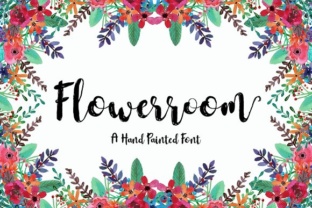
At its core, Flowerroom is a premium font designed to mimic natural handwriting without sacrificing usability. Unlike overly ornate calligraphy scripts that can become illegible at small sizes, Flowerroom maintains clear letterforms and consistent flow. Its characters have a gentle, organic baseline with varied stroke weights that suggest the pressure of a real pen or brush. This subtle variation is key—it prevents the text from looking robotic or overly perfect. The overall personality is approachable, creative, and slightly whimsical, yet it carries enough structure to feel intentional and professional. It’s the kind of creative font that feels at home on a wedding invitation as it does on a boutique coffee label.
When evaluating any handwritten font, the devil is in the details. Look at how the letters connect. Flowerroom uses ligatures and contextual alternates intelligently, so when you type certain letter combinations, they flow together as they would in natural cursive. This prevents awkward gaps or collisions that plague lesser fonts. The included glyphs often cover a broad character set, including numerals, punctuation, and extended Latin characters, which is essential for international use. It’s this attention to detail that elevates it from a simple script font to a versatile design asset.
Strategic Applications: Where Flowerroom Truly Shines
Knowing a font exists is one thing; knowing where to deploy it is another. Flowerroom’s strength lies in projects where human connection and emotional resonance are paramount. It’s an excellent choice for logo design, especially for brands in lifestyle, wellness, food, artisan crafts, or boutique retail. Imagine a logo for a handmade soap company or a neighborhood bakery—Flowerroom can set the tone immediately, conveying care and craftsmanship before a customer even reads the tagline.
In editorial design and publishing, it can be used strategically for pull quotes, chapter titles, or section headers in magazines and books. It adds a personal, authorial voice that draws readers in. For packaging design, it works beautifully for product names or descriptive text on labels for gourmet foods, cosmetics, or specialty beverages, helping products stand out on crowded shelves with a touch of elegance.
Digital spaces are equally fertile ground. Use it for social media graphics to make quotes, announcements, or Instagram stories feel more personal and engaging. On websites, it can be powerful for hero text, CTAs (calls-to-action), or featured blog post titles, especially when paired with a clean sans serif font for body copy. However, a crucial note on web design: always test readability across devices. While Flowerroom is more legible than many scripts, very small sizes on mobile screens can still challenge readers. Use it for headlines and accents, not for paragraphs of body text.
Making It Work: Practical Guidance for Designers and Creators
Adopting a new typeface into your toolkit requires a bit of strategy. First, consider your project’s goals and audience. Is the tone casual, luxurious, playful, or sincere? Flowerroom leans towards warmth and approachability. If your project demands extreme formality or cold, technical precision, it might not be the right fit. Test it early in your design process. Mock up a few key applications—like a business card, a website header, and a social media post—to see if its personality aligns with the brand identity you’re building.
Font pairing is where the real magic happens. A common and effective approach is to pair a expressive handwritten font like Flowerroom with a neutral, highly legible companion. A classic sans serif font like Helvetica, Arial, or a modern geometric sans can provide excellent contrast for body text. Alternatively, pairing it with a sturdy serif font can create a more traditional, yet still personal, aesthetic. The goal is balance: let Flowerroom be the star for headlines and accents, while its partner ensures the bulk of your content remains easy to read.
Before finalizing, review the font’s full character set. Does it include the symbols and language support you need? For commercial projects, licensing is non-negotiable. Ensure you have the correct commercial font license for your intended use—whether it’s for a client’s logo, a product sold online, or a digital publication. Reputable foundries like Area Type provide clear licensing terms. Finally, always print-test or do a thorough digital prototype. A font that looks great on your high-resolution monitor might behave differently in print or on a lower-quality screen. Check for kerning (the space between specific letter pairs) and ensure the overall texture feels consistent.
Flowerroom isn’t a font that tries to be everything. It’s a specialized tool for adding a specific kind of human warmth. Used thoughtfully, it can significantly enhance the emotional appeal and recognizability of a project. It helps bridge the gap between digital sterility and the tactile, personal feel of handcrafted goods. For the designer or entrepreneur, it’s about choosing the right voice for the message. When the message is authenticity, connection, and a touch of handmade beauty, Flowerroom is a typeface that genuinely delivers.