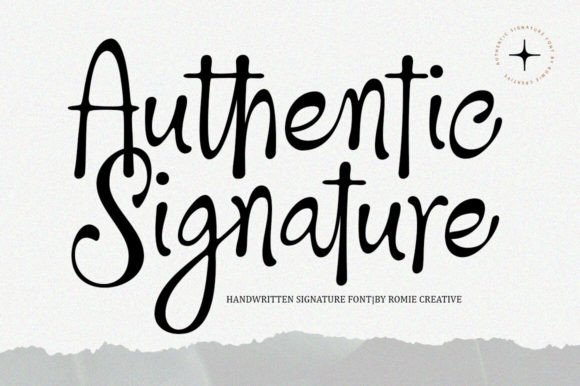
Authentic Signature: A Handwritten Font with Real Character
There’s a difference between a font that simply imitates handwriting and one that captures its genuine, imperfect charm. Authentic Signature falls squarely into the latter category. It’s a premium handwritten font that feels less like a digital tool and more like a personal mark. The strokes have a natural, slightly varied weight, and the connections between letters flow with an easy, confident rhythm. This isn’t a sterile, perfectly uniform script; it’s a typeface with warmth and personality baked into every glyph. For designers and creators, that distinction matters immensely.
Where This Handwritten Font Truly Shines
Knowing a font’s strengths is key to using it effectively. Authentic Signature isn’t a workhorse body copy font; it’s a specialist. Think of it as the accent piece in your design toolkit. Its sweet spot lies in applications where a personal, human touch is the goal.
- Logo Design & Brand Marks: This is arguably its strongest use case. For boutique brands, artisanal products, consultants, or lifestyle bloggers, Authentic Signature can form the core of a memorable wordmark. It instantly communicates approachability and craftsmanship.
- Editorial & Publishing: Use it for chapter headings in a book, pull quotes in a magazine layout, or section titles in a blog post. It draws the eye without overwhelming the page, creating a beautiful contrast against a clean serif font or sans serif font for body text.
- Packaging Design: From coffee bags to cosmetics, packaging needs to tell a story quickly. This font adds a layer of authenticity and care, suggesting a hands-on process behind the product.
- Social Media & Digital Graphics: Instagram quotes, Pinterest pins, and YouTube thumbnails thrive on personality. Authentic Signature makes text-based graphics feel more personal and engaging, stopping the scroll in a way a generic font cannot.
- Wedding & Event Stationery: Invitations, place cards, and thank-you notes benefit from its elegant yet personal script. It sets a tone of thoughtful celebration.
Making the Font Work for Your Project
Choosing the right creative font is a strategic decision. It’s not just about what looks pretty in a preview. You need to consider context, audience, and function. Here’s how to approach using Authentic Signature practically.
Evaluating the Fit
Ask yourself: Does my project require a human, personal connection? If you’re designing a corporate law firm’s website, this probably isn’t your primary font. But if you’re creating a brand identity for a freelance photographer, a coaching practice, or a handmade jewelry line, it’s an excellent candidate. Its personality should align with the brand’s voice—warm, genuine, and approachable.
Mastering Font Pairing
A display font like this rarely works alone. Its strength is in contrast. Pair it with a highly legible, neutral typeface for longer text. A classic combination is Authentic Signature for headlines paired with a clean sans serif font like Open Sans or Lato for subheads and body copy. For a more traditional or elegant feel, try it with a refined serif font like Merriweather or Playfair Display. The goal is balance: let the signature font deliver the emotion while its partner delivers the information.
Considering Readability and Hierarchy
As a script font, its readability decreases with size and length. Never set a full paragraph in it. Use it for short, impactful phrases: a headline, a product name, a single-line quote. This creates a clear visual hierarchy, guiding the viewer’s eye to the most important message first. Always test it at the actual size it will be viewed. What looks stunning as a large logo on your screen might become an illegible smudge on a mobile phone thumbnail.
Practical Steps for Implementation
Once you’ve decided Authentic Signature is the right fit, follow these steps for a smooth integration into your workflow.
- Review the Full Character Set: A quality premium font includes more than just A-Z. Look for alternates, ligatures, and stylistic sets. These allow you to customize the look, creating a more unique and less repetitive flow in your text. Swapping out a common letter like ‘t’ or ‘e’ for an alternate form can make all the difference.
- Understand the License: This is non-negotiable for commercial work. Authentic Signature is a commercial font, and its license dictates how you can use it. Typically, a desktop license covers print and logo use, while a web font license (often in WOFF/WOFF2 format) is needed for websites. If you’re using it in a product for sale (like a template or app), you may need an extended license. Always read the EULA (End User License Agreement).
- Test in Context: Don’t just type “The quick brown fox.” Create a mock-up of your actual project. Place it on a photo, next to your other brand elements, on a sample business card. Does it hold up? Does it feel right with your color palette and imagery? This real-world test is more valuable than any font specimen sheet.
In the end, Authentic Signature is more than just another handwritten font in a crowded market. It’s a tool for adding a layer of genuine personality to your work. Used thoughtfully, it can elevate a design from merely functional to truly memorable, helping your brand or project connect on a more human level. It’s a testament to how the right typeface