Blushberry: The Handwritten Font for Modern Branding
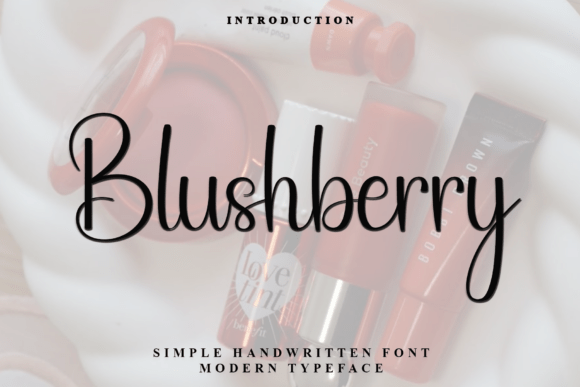
Finding a typeface that feels genuinely personal without sacrificing clarity is a common challenge. Many script fonts lean too far into casual illegibility, while others can appear stiff and overly formal. Blushberry strikes a thoughtful balance. This handwritten script font blends casual charm with a modern twist, featuring fluid strokes and natural curves that mimic real handwriting. It’s designed for projects where a human touch matters, offering a fresh alternative to standard display fonts.
A Font with Personality and Flow
At its core, Blushberry is a premium font built on authenticity. Its characters aren’t just connected; they flow with an organic rhythm. The letterforms have a slight, intentional irregularity that avoids the robotic perfection of many digital scripts. You’ll notice subtle variations in stroke weight and a graceful baseline movement that gives text a lively, handwritten feel. This isn’t a distressed or overly whimsical font. It carries a modern typography sensibility, with clean connections and open counters that ensure it remains readable at various sizes. Its personality is warm, approachable, and subtly elegant—think of a beautifully penned note on quality stationery.
Where Blushberry Truly Shines
Understanding a font’s strengths helps you deploy it effectively. Blushberry excels in applications where you want to convey sincerity, creativity, and a personal connection. Its smooth flow and subtle elegance make it a versatile creative font for numerous scenarios.
- Brand Identity & Logo Design: For businesses in the lifestyle, wellness, boutique retail, or artisanal food space, Blushberry can become the cornerstone of a brand identity. It works beautifully for logos, especially for brands named after people or with a crafted, personal ethos. Pair it with a clean sans serif font for body text to create a balanced and professional visual hierarchy.
- Wedding & Event Stationery: This is a natural home for the font. From save-the-dates and invitations to menu cards and thank-you notes, its heartfelt style sets an intimate, joyful tone. It brings casual charm to formal events without feeling out of place.
- Publishing & Editorial Design: Use it for chapter titles, pull quotes, or section headers in magazines, books, or digital publications. It adds a human element to editorial design, breaking up dense text blocks and guiding the reader’s eye.
- Digital & Social Media Graphics: In the fast-paced world of social media, standing out is key. Blushberry is ideal for Instagram quotes, story highlights, blog post titles, and YouTube thumbnails. Its handwritten font style feels authentic and engaging in digital spaces, boosting audience engagement.
- Packaging & Product Design: Artisanal products, cosmetics, baked goods, and small-batch goods benefit immensely. The font can be used on labels, tags, and packaging to communicate a product’s handmade, quality-focused nature, directly influencing brand perception.
Making Practical Design Choices with Blushberry
Choosing a font is about more than just liking how it looks. It’s a strategic decision that affects readability, consistency, and your project’s overall success. Here’s how to approach integrating Blushberry into your work.
Evaluating Project Fit and Readability
First, consider your project’s primary goal and audience. Blushberry is a display font, meaning it’s designed for impact at larger sizes, like headings or short phrases. It is not intended for long paragraphs of body copy. Test it at the size you plan to use. Does the word or phrase remain clear and easy to read at a glance? Its strength lies in creating a focal point. For projects requiring high professionalism in dense text (like legal documents or academic papers), you would pair it with a highly legible serif font or sans serif font for the main content, using Blushberry only for accents.
The Art of Font Pairing
A single font rarely does all the work. Font pairing is where design strategy comes to life. Blushberry’s fluid, organic nature pairs exceptionally well with fonts that offer strong, geometric contrast. Consider these combinations:
- With a Sans Serif: A classic and foolproof combination. Pair Blushberry with a neutral, geometric sans serif like Montserrat or Poppins for body text. The contrast creates clear hierarchy and ensures all your content is accessible.
- With a Serif: For a more refined or editorial look, combine it with a transitional or modern serif like Lora or Playfair Display. This works well in publishing or for brands with a classic, yet approachable, feel.
- With Another Script: Exercise caution here. If you must use two scripts, ensure they have very different weights and styles. Often, it’s more effective to use Blushberry as the sole expressive element.
Reviewing Included Styles and Licensing
When you invest in a commercial font, check what’s included. Does the Blushberry family offer multiple weights (like Regular and Bold) or stylistic alternates? These extras can provide valuable flexibility within a single project, allowing for subtle variations in emphasis while maintaining consistency. Always verify the font licensing. A standard license may cover desktop use for logos and print, but if you plan to use it on a website via @font-face or in a mobile app, you’ll likely need an expanded web or app license. Understanding this upfront prevents legal issues and ensures your design assets are fully covered for commercial use.
Ultimately, Blushberry is more than just a collection of glyphs; it’s a tool for storytelling. Its ability to inject warmth, personality, and a touch of modern elegance into visual communication makes it a valuable asset for designers, entrepreneurs, and creators alike. By applying it thoughtfully and pairing it strategically, you can create designs that feel both heartfelt and professionally polished, truly connecting with your audience.