Spiritual: A Handwritten Font That Feels Like a Hug
There’s a reason handwritten fonts never go out of style. In a world saturated with sleek, digital perfection, a font like Spiritual offers something genuinely refreshing: a sense of human touch. It’s not just another script font; it’s a carefully crafted typeface with a tall, playful character and a casual, heartfelt feel. The slim, elongated letters have an effortless elegance, combining the warmth of a personal note with the clarity needed for professional use. For anyone working on projects that require a dash of personality and sincerity—from a Father’s Day card to a small business logo—understanding a font like Spiritual is key to creating designs that truly connect.
The Anatomy of Warmth: Visual Style and Personality
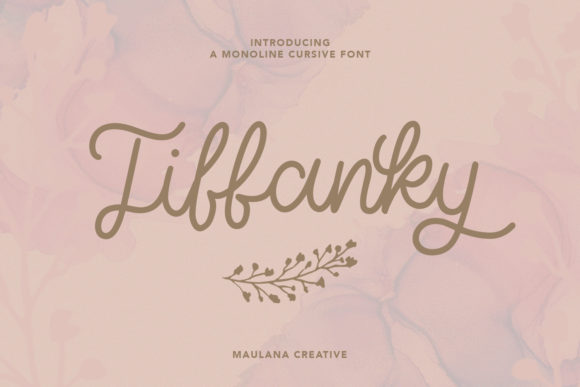
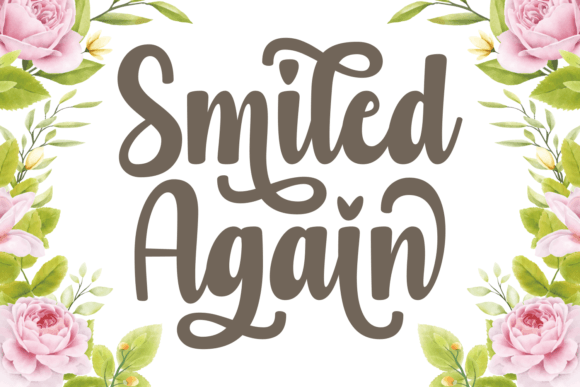
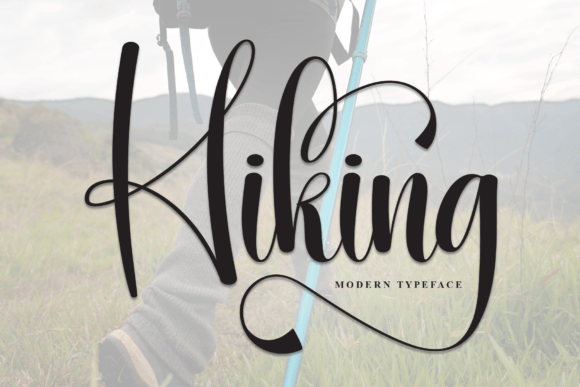
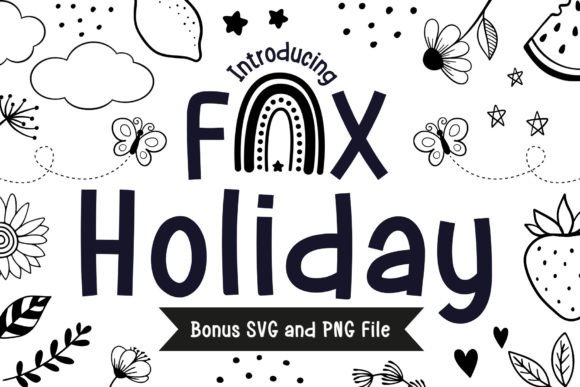
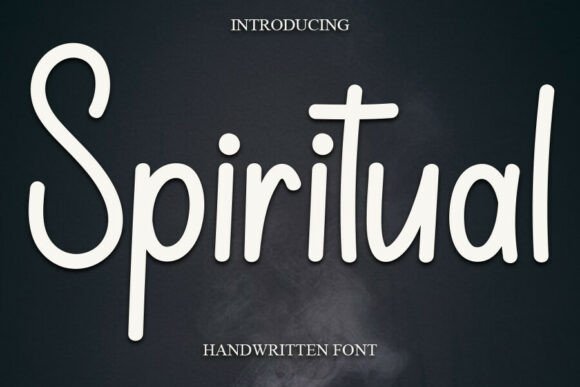
At its core, Spiritual is a premium display font designed for impact and emotion. Its visual characteristics are distinct: the letters are tall and slightly condensed, with a noticeable but controlled slant that mimics natural handwriting. This isn’t a chaotic, messy script; it’s clean and legible, with consistent stroke weights that ensure readability even at smaller sizes. The connections between letters are smooth, creating a flowing rhythm that guides the eye. This balance is crucial—it allows the font to feel personal and approachable without sacrificing professionalism.
The personality of Spiritual is where it truly shines. It evokes feelings of warmth, sincerity, and casual joy. Think of it as the typographic equivalent of a heartfelt conversation over coffee. This makes it exceptionally versatile for projects aiming to build an emotional connection. While a stark sans serif font communicates efficiency and a classic serif font conveys tradition, Spiritual speaks to authenticity and approachability. It’s a creative font that doesn’t try too hard; its charm lies in its relaxed confidence.
Where Spiritual Truly Comes Alive: Practical Applications
The real test of any design asset is its application. Where does a font like Spiritual excel? Its strengths are most evident in projects where personality and emotional resonance are paramount.
Personal and Celebratory Projects: This is Spiritual’s natural habitat. Its heartfelt feel makes it the obvious choice for Father’s Day designs, greeting cards, wedding invitations, and birthday announcements. Imagine a t-shirt design for a family reunion or a poster for a local community event—the font immediately injects a sense of togetherness and celebration.
Brand Identity and Marketing: For small businesses, especially in the lifestyle, wellness, artisan food, or boutique retail sectors, Spiritual can be a cornerstone of a friendly, relatable brand identity. It works beautifully for logos, packaging design for handmade products, and social media graphics. A bakery using Spiritual on its menu or a yoga studio incorporating it into its signage instantly communicates a welcoming, non-corporate vibe. In marketing materials, it’s excellent for call-to-action phrases, quotes, or header text that needs to stand out with a human touch.
Digital and Editorial Use: In web design and editorial layouts, Spiritual serves as a powerful accent font. It’s ideal for blog post titles, pull quotes, or subheadings that break up long blocks of text set in a more neutral serif or sans serif font. On social media, it can make a quote graphic or an announcement post feel more personal and shareable. The key is using it strategically—its playful nature means it’s best suited for short bursts of text rather than lengthy paragraphs, where a more traditional typeface would ensure better readability.
Making Smart Design Choices: Pairing, Readability, and Licensing
Choosing a font is a strategic decision that influences visual hierarchy, brand perception, and audience engagement. Here’s how to approach it with Spiritual.
Evaluating Fit and Font Pairing: Before selecting Spiritual, consider your project’s core message. Is it meant to be joyful, sincere, or casual? If so, it’s likely a good fit. For formal, highly technical, or luxury minimalist projects, it might not align. A critical skill is mastering font pairing. Spiritual’s handwritten style pairs exceptionally well with clean, neutral fonts. Try combining it with a simple sans serif like Montserrat or a classic serif like Lora for body text. This contrast creates a clear hierarchy: Spiritual draws the eye for key emotional points, while the paired font ensures the rest of the content is easy to read.
Testing for Readability and Hierarchy: Always test the font in context. Check how it looks on both light and dark backgrounds, and at various sizes. While it’s a display font meant for headlines, ensure the letter spacing (tracking) and line height (leading) are adjusted for clarity. Use its weight and style variations (if available) to create subtle emphasis. For instance, using Spiritual for a main headline and a lighter weight for a subheading can add depth to your layout.
Understanding Commercial Licensing: This is a non-negotiable step for any professional project. Spiritual is a commercial font, meaning its use in client work, products for sale, or business branding requires the appropriate license. Always review the license details provided by the foundry or marketplace. Does it cover web embedding? Can you use it on merchandise? Clarifying this upfront protects you legally and ensures you’re supporting the work of the type designers who created this valuable asset.
In the end, a font like Spiritual is more than just a collection of glyphs. It’s a tool for storytelling. By understanding its visual language, knowing where it works best, and applying it thoughtfully within your broader design strategy, you can leverage this handwritten font to create work that doesn’t just look good—it feels right. It’s about making a genuine connection, one beautifully crafted letter at a time.