Understanding Gastela: A Brush Script for Authentic Branding
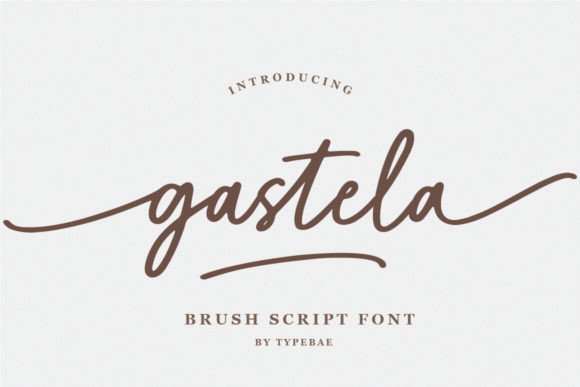
In a digital landscape saturated with rigid, geometric typefaces, there is a distinct power in the organic flow of a handwritten script. Gastela is not just another typeface; it is a carefully crafted premium font designed to inject a sense of human touch and elegance into modern design. As a handwritten font, it captures the fluidity of a brush pen, featuring distinct, elegant tails that extend from the beginning and end of each letter. This characteristic creates a visual rhythm that feels less like a computer-generated output and more like a piece of calligraphy.
The true strength of Gastela lies in its ability to bridge the gap between high-end aesthetics and practical usability. Many script fonts can be difficult to read or cumbersome to edit, but this typeface has been engineered for the modern creative workflow. It offers ligatures that allow specific letter combinations to merge seamlessly, mimicking the natural movement of the human hand. This attention to detail ensures that your text doesn't just look like words; it looks like a cohesive piece of art.
Visual Personality and Aesthetic Appeal
When evaluating a creative font, the "personality" of the letters is just as important as their legibility. Gastela presents a style that is both romantic and professional. The brush strokes have varying weights, giving the text a dynamic energy that static fonts often lack. It avoids the messy, illegible look of grunge fonts while steering clear of the stiff uniformity of standard sans-serifs. Instead, it sits comfortably in a middle ground that feels authentic and high-quality.
The visual appeal of Gastela makes it a strong contender for projects that require a personal touch. Whether you are working on logo design for a boutique brand or creating packaging design for artisanal goods, the font conveys a sense of care and craftsmanship. It tells the viewer that the brand values detail and aesthetics, which can significantly influence brand perception before a single word of copy is read.
Practical Applications: From Print to Pixel
One of the most common questions regarding script fonts is about their versatility. Where exactly does Gastela fit into a designer’s toolkit? The answer lies in its adaptability across various mediums. In the realm of editorial design, this font can be used for pull quotes, magazine headers, or chapter titles to break the monotony of body text. It provides a necessary visual hierarchy, drawing the reader's eye to key moments in the narrative.
For small business owners and entrepreneurs, Gastela serves as a valuable design asset. Consider its application in:
- Social Media Graphics: On platforms like Instagram or Pinterest, where visual noise is high, a distinct handwritten font can stop the scroll. It adds a layer of intimacy to announcements or quotes.
- Web Design: While not intended for body copy, using Gastela for hero text or call-to-action buttons can soften the user experience of a website, making a corporate site feel more approachable.
- Wedding Stationery & Invitations: The elegant tails and flowing ligatures make it a natural choice for formal invitations, greeting cards, and event collateral.
Technical Usability: The OpenType Advantage
A frequent barrier to using high-quality script fonts is the technical requirement for OpenType features. Many advanced fonts require specific software to access swashes and alternates, which can be frustrating for marketers or hobbyists using standard design tools. Gastela addresses this common pain point with a user-centric approach.
The designers behind Gastela have separated the beginning and ending swashes into distinct files. This means you do not need advanced software to utilize the full potential of the font. You can easily access those decorative tails in virtually any text editor or design application that supports standard fonts. This practicality makes it an accessible tool for everyone from seasoned graphic designers to bloggers using platforms like Canva. It democratizes the ability to create professional-looking typography without a steep learning curve.
Strategic Font Pairing and Hierarchy
Effective modern typography is rarely about using a single font in isolation. It is about the conversation between different typefaces. Gastela excels as a display font, meaning it is best used for headlines, titles, and short bursts of emphasis. To create a balanced layout, it should be paired with a clean, readable counterpart.
For a classic and elegant look, pairing Gastela with a traditional serif font works well. The serifs provide a structured foundation that grounds the free-flowing nature of the script. However, if the goal is a more contemporary or minimalist aesthetic, a geometric sans serif font is the ideal partner. The stark contrast between the organic brush strokes of Gastela and the clean lines of a sans-serif creates a strong visual hierarchy, ensuring that your headlines pop while your body text remains highly legible.
Evaluating Fit for Your Brand Identity
Choosing the right font is a strategic decision in brand identity. Before integrating Gastela into your next project, it is worth evaluating the "voice" of the brand. Does the brand speak with authority and tradition, or does it communicate warmth and creativity? Gastela leans heavily toward the latter. It is perfect for brands in the lifestyle, beauty, fashion, and food industries.
However, context is key. While Gastela is a versatile commercial font, it may not be the best fit for a fintech startup or a heavy industrial manufacturer where clarity and standardization are paramount. For content creators and publishers, the font offers a way to build recognition. When a reader sees that specific, elegant brush style in your thumbnails or headers repeatedly, it becomes a visual signature that reinforces your brand's consistency.
Final Thoughts on Readability and Licensing
As with any design assets, readability should always be tested before finalizing a design. While Gastela is designed for clarity, script fonts generally perform best at larger sizes. Avoid using it for small, dense paragraphs of text where the ligatures might cause the words to blur together. Instead, let it breathe. Give the letters space to display their elegant tails without overlapping other elements.
Finally, ensure that you are adhering to the licensing requirements for commercial use. If you are using Gastela for client work, merchandise, or products for sale, verify that your license covers those specific applications. By combining the aesthetic beauty of Gastela