Thomas Signature: A Guide to Elegant Handwritten Design
In the world of modern typography, finding a font that balances personality with professionalism can feel like searching for a needle in a haystack. We often see script fonts that are too illegible for business use, or standard sans-serifs that feel too cold and corporate. Enter Thomas Signature, a premium font that bridges this gap with effortless grace. It isn’t just another typeface; it is a design asset that mimics the fluid, natural motion of a fountain pen on textured paper. For designers, entrepreneurs, and content creators, this font offers a way to inject warmth and authenticity into digital and print spaces without sacrificing clarity.
The Anatomy of Elegance: Why This Typeface Stands Out
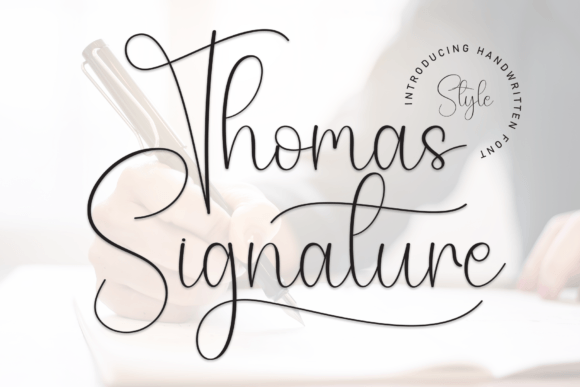
When you first look at Thomas Signature, the immediate impression is one of fluidity. Unlike many digital handwritten fonts that look static or robotic, this typeface captures the subtle imperfections of human writing. The baseline is slightly irregular, and the stroke weight varies naturally, mimicking the pressure changes of a hand holding a pen. This creates a sophisticated, organic rhythm that draws the eye. It is a display font at heart, meaning it shines brightest when used for headlines, logos, and short bursts of impactful text. The letters connect in a way that feels intuitive, creating a seamless flow that guides the viewer from one word to the next.
The visual personality of Thomas Signature is distinctly upscale. It avoids the casual, messy look of grunge fonts or the overly playful vibe of comic styles. Instead, it leans into a "lifestyle" aesthetic—think high-end boutique packaging or the masthead of a luxury travel blog. It possesses a certain je ne sais quoi that elevates the material it is placed on. For those working on brand identity, this font serves as a visual handshake; it introduces a brand as approachable yet refined. It suggests that there is a real human behind the logo, one who cares about quality and detail. This subtle psychological cue is powerful in marketing, where trust is the currency of conversion.
Strategic Applications: From Logos to Social Media Graphics
Understanding where to deploy a creative font like Thomas Signature is half the battle. Because it is a script font, readability decreases as size decreases. Therefore, it is not your go-to choice for long-form body copy or dense legal disclaimers. However, its strength lies in its versatility across specific applications. In logo design, Thomas Signature can create a timeless wordmark. Imagine a boutique coffee shop, a wedding photographer, or a bespoke tailor using this font. It immediately communicates a bespoke, hand-crafted service. When paired with a clean serif font or a geometric sans serif font, the contrast creates a dynamic visual hierarchy that looks professional and intentional.
Beyond static logos, this typeface is a powerhouse for social media graphics. Platforms like Instagram and Pinterest are highly visual, and users scroll quickly. A bold, elegant signature style can stop the scroll. It works beautifully for quotes, sale announcements, or "link in bio" callouts. For packaging design, Thomas Signature adds a tactile quality. If you are selling artisanal goods, cosmetics, or gourmet foods, using this font on your labels suggests that the product inside is just as premium as the packaging. It transforms a simple box or bottle into a gift-ready experience. Similarly, in editorial design, such as magazine headers or blog post titles, it breaks up the monotony of standard text blocks, adding a layer of artistic flair to the publication.
Mastering the Pairings and Technical Nuances
A font rarely lives in isolation. One of the most practical skills in web design and graphic design is font pairing. Thomas Signature is a high-character font, meaning it has a strong personality. Pairing it with another high-character font (like a decorative serif or a quirky display face) will likely result in a visual clash. The rule of thumb here is contrast and balance. If you are designing a wedding invitation, pair Thomas Signature with a classic, light serif like Lora or Playfair Display. The serif provides structure, while the signature adds romance. For a more modern, corporate look—perhaps for a marketing agency or a tech startup—pair it with a clean, wide sans-serif like Montserrat or Helvetica Neue. The clean lines of the sans-serif ground the fluidity of the signature, making the design feel current and professional.
When working with this premium font, pay close attention to kerning and tracking. While the font is designed with natural spacing, specific letter combinations in custom logos might require manual adjustment to ensure the connections look seamless. Additionally, consider the medium. In print design, such as business cards or stationery, Thomas Signature looks stunning in dark charcoal or deep navy ink, especially on uncoated, textured paper stock where the ink can settle slightly into the fibers. On screen, ensure there is sufficient contrast against the background. Because of its thin strokes in certain areas, a light gray text on a white background might disappear on mobile screens. Stick to high-contrast color schemes to maintain legibility.
Licensing, Legality, and Commercial Usage
For entrepreneurs and small business owners, the legal aspect of design assets is a critical checkpoint. Thomas Signature is a commercial font, which means it is free for personal use (like a birthday card for a friend) but requires a license for commercial projects. This includes anything that generates revenue or promotes a business, such as a client’s logo, a merchandise line, or a paid advertising campaign. Always review the specific license terms provided with the font files. Licenses usually dictate how many "seats" (computers) can install the font and whether it can be embedded in apps or e-books.
If you are a designer handing off files to a client, ensure they have the appropriate license if they need to install the font on their own systems to make edits. Ignoring this can lead to legal headaches down the road. Think of the font purchase not as an expense, but as an investment in your brand's legal safety and visual quality. Using high-quality, properly licensed typography signals to your audience that you value originality and respect intellectual property—traits that build long-term credibility.
Ultimately, Thomas Signature is more than just a collection of vectors; it is a tool for storytelling. Whether you are crafting a brand identity for a new startup, designing packaging for a home business, or creating a mood board for a magazine, this typeface offers a reliable way to communicate elegance. It reminds us that in an age of automation, there is still immense value in the human touch. By integrating this font into your toolkit, you are equipping yourself to create designs that are not only visually pleasing but emotionally resonant.