Margille: The Elegant Handwritten Font for Modern Branding
There's a certain magic that happens when a design element feels both personal and polished. In the world of typography, finding a script font that strikes this balance—offering the warmth of a human hand without sacrificing clarity or sophistication—is like striking gold. Margille is precisely that kind of find. It's a beautifully crafted handwritten script that brings an immediate sense of elegance and personality to any project it touches. Think of it as the design equivalent of a perfectly tailored outfit: it has character, but it's also impeccably put together.
Understanding Margille's Visual Language and Personality
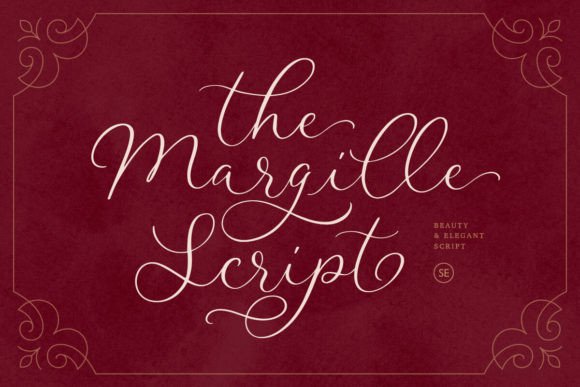
At its core, Margille is a premium font defined by its flowing, graceful letterforms. It's not a chaotic, overly loose scrawl; instead, it presents a refined, connected script where each letter seems to dance into the next with intentional rhythm. The baseline has a gentle, organic sway, giving text a lively, authentic feel reminiscent of skilled calligraphy. The typeface includes a full suite of uppercase, lowercase, numerals, and a generous set of symbols, making it incredibly versatile for real-world use.
What truly elevates Margille beyond a basic script font is its extensive toolkit of OpenType features. Designers will appreciate the carefully designed ligatures—where certain letter pairs connect in a more natural, fluid manner—as well as the initial and terminal alternates. These stylistic sets allow you to customize the beginning and ending of words, preventing repetitive patterns and adding a bespoke, hand-lettered quality to headlines or logos. The special swashes and numerous alternates offer even more creative control, letting you inject flair where it's needed most. This depth of features makes Margille a powerful creative font for those who understand that details make the design.
Where Margille Truly Shines: Practical Applications
The versatility of Margille is one of its strongest assets. It’s a display font at heart, meaning it’s built to command attention in headlines, titles, and short, impactful text blocks. Its elegant personality makes it a natural fit for projects that demand a touch of luxury, romance, or artisanal craftsmanship.
- Branding and Logo Design: For businesses in the fashion, beauty, wedding, or lifestyle sectors, Margille can form the cornerstone of a brand identity. A logo set in Margille feels personal, high-end, and memorable. It communicates that the brand values aesthetics and attention to detail. Pair it with a clean sans serif font for body text to create a stunning visual hierarchy.
- Editorial and Packaging Design: Imagine Margille gracing the cover of a boutique magazine, a cookbook, or the label of a specialty food product. In editorial design, it works beautifully for pull quotes or section headers. In packaging design, it adds a layer of sophistication and human touch that can make a product stand out on a shelf.
- Digital and Social Media: While primarily a display face, Margille can be used strategically in web design for hero section headings or prominent calls to action. Its visual impact is equally powerful in social media graphics, where it can stop the scroll on platforms like Instagram and Pinterest, especially for quotes, announcements, or promotional banners.
- Personal and Commercial Projects: The applications extend to wedding invitations, greeting cards, inspirational wall art, and crafting projects. For entrepreneurs and small business owners, using Margille in marketing materials—from business cards to email headers—can instantly elevate perceived professionalism and create a cohesive, recognizable look.
Making Margille Work for You: A Practical Guide
Choosing the right font is a strategic decision. Here’s how to evaluate and implement Margille effectively in your projects.
Evaluating Project Fit and Readability
First, consider your project's core message. Margille’s personality is elegant, feminine, and artistic. It’s perfect for a wedding planner’s website but might feel out of place on a corporate finance report. The key is alignment between the font’s tone and your brand’s voice. Always prioritize readability. Because it’s a connected script, avoid setting large paragraphs of body copy in Margille. Its strength is in headlines and short bursts of text. For longer content, pair it with a highly legible serif font or sans serif font.
Mastering Font Pairing and Hierarchy
A great design rarely uses just one font. The art of font pairing is about creating contrast and harmony. Margille pairs exceptionally well with simple, geometric sans serifs (like Montserrat or Lato) or classic, readable serifs (like Lora or Merriweather). Use Margille for your primary headline, the paired font for subheadings, and a neutral font for body copy. This creates a clear visual hierarchy that guides the reader’s eye naturally. Test your pairings in context—see how they look on a mockup business card, a website hero image, or a social media post.
Leveraging Features and Licensing
Before purchasing, explore the font specimen sheet or test it in a design tool. Play with the OpenType features in software like Adobe Illustrator or Photoshop to see the alternates and ligatures in action. This hands-on test will show you its full potential. As a commercial font, ensure you acquire the proper license for your use case—whether it’s for a single client project, multiple brand assets, or a product for sale. Respecting the licensing agreement is fundamental to professional practice.
In the end, Margille is more than just a collection of letters; it’s a design asset that can infuse your work with personality and elegance. It’s a tool for creators who understand that the right typographic choice doesn’t just display words—it evokes a feeling, tells a story, and builds a connection. By using it thoughtfully and strategically, you can transform a standard design into something truly captivating.