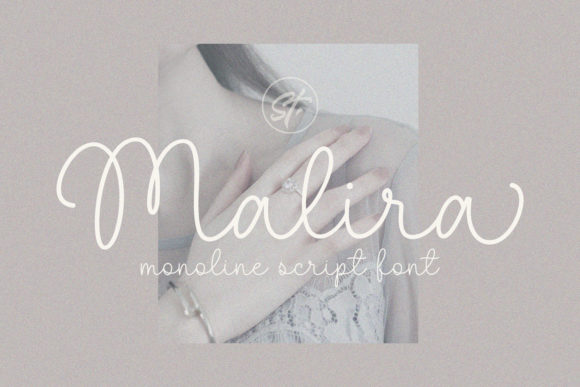
Malira: A Handwritten Font with Luxury Appeal
Finding a typeface that perfectly captures a brand's personality can be a real challenge. You want something that feels personal and authentic, yet also polished and professional. Too often, handwritten fonts lean too far into one camp or the other, feeling either overly casual or stiff and impersonal. This is where Malira enters the conversation. It’s a beautiful, light handwritten font designed to strike that perfect balance, offering a unique feel with a stunning impact that can elevate a design from ordinary to memorable.
The Visual Personality of Malira
At its core, Malira is a premium font that embodies elegant simplicity. Its letterforms are light and airy, with a gentle flow that mimics natural, confident handwriting. Unlike some script fonts that can be overly ornate or difficult to read, Malira maintains a clean and modern typography style. The strokes are consistent, with just enough variation to feel human-made without sacrificing legibility. This creates a sophisticated yet approachable personality, making it a versatile creative font for a wide range of applications.
The overall appeal of Malira lies in its ability to add a touch of luxury without feeling ostentatious. It whispers quality rather than shouting it. Imagine it on a high-end product label or the cover of a boutique magazine—it immediately sets a tone of refined taste. This makes it an excellent choice for designers and entrepreneurs looking to create a brand identity that feels both personal and aspirational. It’s not just another handwritten font; it’s a design asset that communicates care and attention to detail.
Where Malira Shines: Practical Applications
Understanding where a font works best is key to using it effectively. Malira's unique blend of elegance and readability makes it a strong contender across several project types.
Branding and Logo Design: For small business owners, especially those in beauty, wellness, lifestyle, or artisanal goods, Malira can form the heart of a visual identity. It works beautifully for logos, business cards, and stationery, creating a cohesive brand experience that feels curated and personal. A bakery, a skincare line, or a wedding planning service could use Malira to instantly convey a sense of bespoke care and quality.
Marketing and Digital Presence: In the crowded space of social media graphics and digital advertising, a distinctive typeface helps you stand out. Malira is perfect for crafting eye-catching quotes, special announcements, or hero text on a website. Its light, flowing nature ensures it remains legible even at smaller sizes on a screen, which is a crucial consideration for web design and online content.
Publishing and Editorial Design: For bloggers, publishers, and content creators, typography is a tool for guiding the reader's eye. Malira can be used for chapter headings, pull quotes, or title sequences in editorial layouts. It adds a human, narrative touch that can make long-form content feel more engaging and intimate. Paired with a clean sans serif font for body text, it creates a beautiful and functional visual hierarchy.
Packaging and Print Projects: The physical world is where Malira truly comes to life. Think of its application in packaging design for a luxury candle, a gourmet food item, or a boutique fragrance. The font's elegant style can elevate the perceived value of the product. It’s also ideal for wedding invitations, thank-you cards, and other personal or commercial print projects where a touch of grace is desired.
Designing with Malira: Practical Guidance
Choosing a font is just the first step. Using it effectively requires some thought. Here’s some practical advice for incorporating Malira into your work.
Evaluating Project Fit: Before selecting Malira, consider the project's tone. Is it meant to be warm, personal, and sophisticated? If the answer is yes, it's likely a great fit. For projects requiring a more technical, minimalist, or utilitarian feel, a different style of typeface might be more appropriate. Always consider your audience and the message you need to convey.
Testing Font Pairings: A great display font often needs a partner. Malira, as a script font, pairs exceptionally well with simple, geometric sans serif fonts or traditional serif fonts. The contrast creates balance. For example, using Malira for a headline and a font like Montserrat or Lora for the body text creates a clean, professional layout that is easy to read. Always test pairings at the actual size they will be used to ensure harmony.
Considering Readability and Hierarchy: While Malira is more legible than many script fonts, it’s still best used for display purposes—headlines, logos, short phrases—rather than for long blocks of body copy. Use it to draw attention to key elements. Establishing a clear typographic hierarchy using size, weight, and style will make your designs more effective and easier for your audience to navigate.
Licensing and Commercial Use: If you plan to use Malira for a client project, a product, or any commercial endeavor, ensure you have the correct commercial license. Most premium fonts come with clear licensing terms that outline permitted uses. Respecting these terms is a fundamental part of professional practice and supports the designers who create these valuable assets.
In the end, Malira is more than just a beautiful typeface. It’s a tool for storytelling, a way to inject personality and polish into your projects. By understanding its strengths and applying it thoughtfully, you can use this stunning handwritten font to create designs that not only look beautiful but also connect with your audience on a deeper level. It’s a worthy addition to any designer’s toolkit, offering a spark of luxury that can make all the difference.