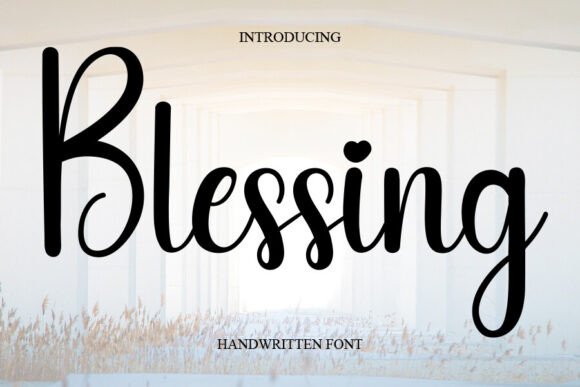
Designing with Soul: The Blessing Handwritten Font
There’s a particular quality to a design that feels genuinely human. In a landscape saturated with geometric precision and flawless digital renderings, the slight, intentional imperfections of a handwritten element can cut through the noise. This is the space where the Blessing font lives. It’s not merely a collection of letters; it’s a carefully crafted tool for adding warmth, personality, and an immediate sense of authenticity to any creative project. For designers, marketers, and entrepreneurs looking to create work that resonates on a personal level, understanding a font like Blessing is a practical advantage.
The Visual Character of Blessing
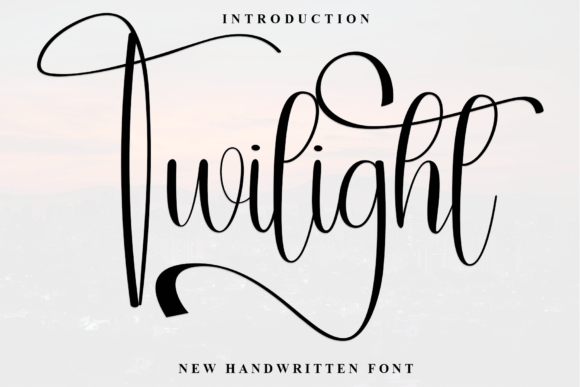
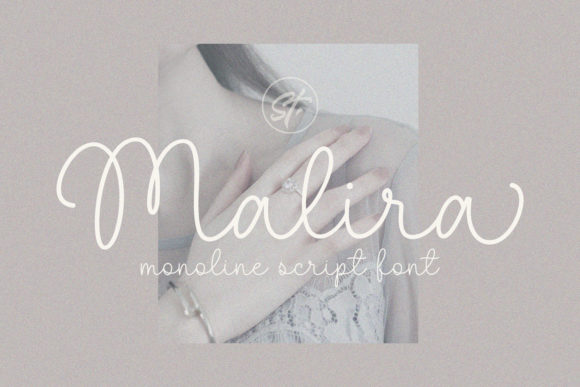
At first glance, Blessing presents itself as a fluid and elegant script font. Its strokes mimic the natural flow of a brush or pen, with a graceful baseline and thoughtful connections between certain letters. This isn’t a chaotic, overly casual scrawl. It’s a premium font with a disciplined beauty, making it a versatile creative font for a range of applications. The letterforms have a consistent rhythm, yet each character possesses a unique touch—a slight variation in swash or a delicate terminal. This prevents the text from feeling mechanical and instead gives it an organic, hand-lettered quality.
The personality of Blessing is one of approachable elegance. It balances sophistication with warmth, making it feel both timeless and contemporary. It’s the kind of typeface that can feel luxurious on a wedding invitation and equally at home on a boutique coffee label. Its visual appeal lies in its ability to suggest care, craftsmanship, and a personal touch, which are invaluable assets in modern typography and brand identity.
Where Blessing Truly Shines: Practical Applications
Knowing a font’s character is one thing; knowing where to deploy it is where real value is created. Blessing excels in projects where human connection and emotional resonance are key.
Branding and Logo Design
For logo design, especially for brands in the lifestyle, wellness, artisan food, or boutique retail sectors, Blessing can form the cornerstone of a visual identity. It immediately communicates that a business is personal, customer-focused, and values quality. Paired with a clean sans serif font for body copy, it creates a powerful hierarchy that is both eye-catching and legible. It’s a display font that commands attention without shouting.
Digital and Social Media
In the fast-scrolling world of social media, a distinctive handwritten font can be a secret weapon. Using Blessing for key quotes, call-to-action text, or story highlights in social media graphics adds a layer of personality that generic system fonts cannot. It’s particularly effective for Instagram, Pinterest, and TikTok, where visual storytelling is paramount. For web design, it can be used sparingly for standout headings or pull quotes to inject brand personality without compromising overall site readability.
Print, Packaging, and Publishing
The strengths of Blessing extend beautifully into the physical world. In packaging design, it can elevate a product from shelf-level to premium, suggesting handmade or small-batch origins. For editorial design, it brings a dynamic, conversational tone to magazine layouts, book covers, or chapter headings. Bloggers and content creators can use it to create standout graphics for their posts, making their content more shareable and visually memorable. Even for personal projects like crafting, invitations, or custom stationery, it provides a polished, professional look that’s easy to achieve.
Strategic Use: Beyond Aesthetics
Deploying a font like Blessing effectively requires more than just liking how it looks. It’s a strategic design asset that influences how your audience perceives and interacts with your message.
Visual Hierarchy and Readability: As a display font, Blessing is not intended for long paragraphs of body text. Its power lies in contrast. Use it for headlines, subheads, or featured phrases to create a clear visual hierarchy. This guides the reader’s eye and makes your content more scannable. Always pair it with a highly legible serif font or sans serif font for supporting text to ensure clarity.
Brand Perception and Consistency: Consistent use of a specific typeface like Blessing builds recognition. When your audience sees that distinct script across your logo, website, and social posts, it creates a cohesive brand experience. This consistency fosters trust and professionalism. The font’s inherent warmth can make a brand feel more approachable and relatable, which is crucial for building community.
Evaluating Fit and Practicalities: Before committing, test the font in context. Does it reflect your brand’s voice? Is it legible at the size you need for your primary use case? Review the full character set. Does it include the ligatures, alternates, or multilingual support your project requires? Finally, understand the licensing. A commercial font like Blessing comes with specific terms for use. Ensure its license covers your intended applications, whether for a client project, merchandise, or digital products.
Choosing a typeface is a foundational design decision. The Blessing font offers a specific and valuable proposition: the ability to infuse digital and physical projects with a crafted, human touch. By understanding its character, knowing its ideal applications, and using it strategically within your broader design system, you can leverage it to create work that doesn’t just look good, but feels genuinely engaging.