Fall Flannels: The Cozy Handwritten Font for Autumn Projects
There's a distinct feeling that arrives with the first crisp autumn air—the urge to gather, to create something warm and inviting. In design, capturing that essence often comes down to the details, and few details are as immediate as typography. This is where Fall Flannels enters the picture, not as just another typeface, but as a sensory trigger. It’s a premium handwritten font that doesn’t just spell out words; it evokes the texture of a favorite flannel shirt, the warmth of a wood-burning stove, and the comforting nostalgia of fall traditions. For designers, marketers, and creators, it offers a direct line to that cozy, rustic aesthetic so many audiences crave during the season and beyond.
Understanding the Font's Personality
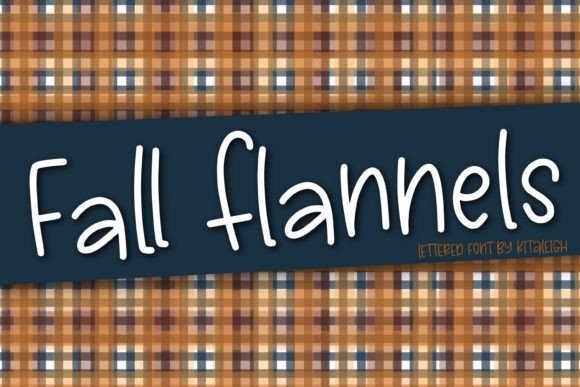
Fall Flannels is a display font with a clear, intentional personality. Its visual character is defined by slightly irregular baselines and subtle, hand-drawn imperfections that avoid looking overly polished or digital. The letterforms have a gentle, rounded quality, reminiscent of a confident, relaxed penmanship. It’s not a formal script font or a casual doodle; it sits in a sweet spot that feels both personal and legible. The overall appeal lies in its ability to communicate warmth and authenticity instantly. It feels human-made, which in an era of sleek digital interfaces, can be a powerful differentiator for a brand identity or creative project.
This typeface is a creative font that works best when given space to breathe. Its personality shines in headlines, short phrases, and logos where its charming details can be appreciated. Think of it as the typographic equivalent of a handwritten note on kraft paper—it’s intimate and inviting. For entrepreneurs and small business owners, particularly in artisanal goods, baking, or boutique retail, Fall Flannels can become a cornerstone of seasonal packaging design or marketing collateral, instantly signaling a product's handmade, thoughtful nature.
Practical Applications: Where Fall Flannels Truly Shines
The strength of a font like Fall Flannels lies in its specific, high-impact applications. Using it as a body text for a long article would be a misstep, but deploying it strategically can elevate a entire design. In logo design for a cozy café, a pumpkin patch, or a craft brewery, it establishes an immediate emotional connection. For editorial design, it’s perfect for magazine section headers, recipe titles in a cookbook, or pull quotes that need to feel personal and engaging.
Its utility extends across multiple formats:
- Print & Packaging: Exceptional for packaging design on jars of preserves, candle labels, fall-themed gift tags, and wedding invitations. The font’s texture holds up beautifully in print, adding a tactile quality even on smooth paper.
- Digital & Social Media: A standout choice for social media graphics, especially Instagram Stories, Pinterest pins, and Facebook ads promoting seasonal sales, events, or blog posts. It grabs attention in a crowded feed with its friendly, approachable vibe.
- Branding & Marketing: Ideal for creating cohesive seasonal campaigns. A small business can use Fall Flannels for holiday sale banners, email newsletter headers, and menu designs to create a unified, festive experience for their audience.
- Personal & Hobbyist Projects: For crafters and hobbyists, it’s a valuable design asset for creating custom vinyl decals, scrapbooking elements, printable wall art, or personalized stationery.
Strategic Use: Pairings, Readability, and Licensing
Integrating a handwritten font like Fall Flannels effectively requires a thoughtful approach to font pairing. The goal is to create contrast and ensure overall readability. Pair it with a clean, neutral sans serif font for body text—think fonts like Open Sans, Lato, or Montserrat. This combination lets the personality of Fall Flannels lead in headlines while the sans serif provides a calm, readable foundation for paragraphs. Avoid pairing it with another decorative or overly stylized typeface, as this can create visual clutter and weaken the visual hierarchy.
Before finalizing your choice, always test the font in context. Check how the specific letters in your project’s words interact. Does the kerning (space between characters) look balanced? Does the baseline variation create an unintentional word or disrupt flow at smaller sizes? For digital use, ensure it remains legible on various screen resolutions. For print, get a physical proof if possible. Understanding the font’s full character set is also key—check for ligatures, stylistic alternates, or multilingual support that might enhance your design.
Finally, for any commercial project—whether you’re a designer creating client work, an entrepreneur selling products, or a publisher producing books—it’s non-negotiable to verify the commercial font licensing. Ensure the license covers your intended use, whether for a single client, unlimited projects, or specific print runs. Respecting the font creator’s licensing terms is a fundamental part of professional practice and ensures your brand’s consistency and legal integrity.
In the end, Fall Flannels is more than a seasonal novelty. It’s a tool for storytelling. When used with intention, it can infuse a project with a genuine sense of comfort and nostalgia, fostering deeper audience engagement and helping a brand or project feel truly memorable. Its value isn’t just in its aesthetic, but in its ability to make a viewer pause, feel, and connect.