Planberry: Your Go-To Handwritten Font for Charming Projects
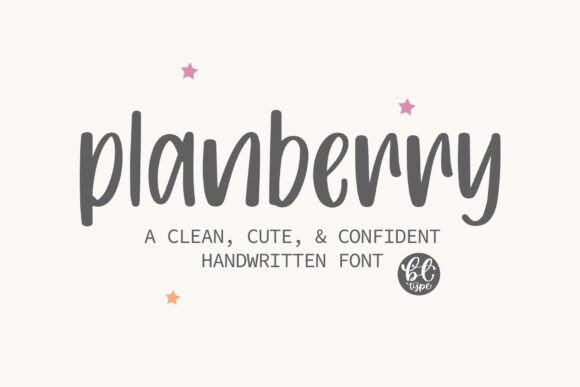
Finding a typeface that feels both personal and polished can be a real challenge. You want something with character—something that doesn't look like it was generated by a machine—yet it needs to be legible and versatile. Enter Planberry, a handwritten font that strikes that perfect balance. It's clean, cute, and confident, offering a friendly script that works across an impressive range of applications. Whether you're designing a logo, laying out a digital planner, or crafting social media graphics, this font brings a touch of warmth without sacrificing clarity.
A Closer Look at Its Visual Personality
At its core, Planberry is a script font that mimics the natural flow of handwriting but with a refined touch. The letterforms are neat and consistent, avoiding the overly casual or messy look that can make some handwritten fonts difficult to read. There's a playful rhythm in the strokes, with just enough variation to feel authentic. The connections between letters are smooth, and the overall texture is soft, making it inviting to the eye. It doesn't shout; it speaks in a friendly, approachable tone.
This premium font isn't just about aesthetics—it's designed for real-world use. The x-height is generous, which aids legibility, and the spacing is carefully considered to prevent crowding. It's the kind of typeface that feels at home on a cozy blog header or a stylish product label. Its personality is versatile: it can feel whimsical for a children's brand, elegant for a boutique, or simply cheerful for everyday personal projects.
Where Planberry Truly Shines
The strength of a creative font like this lies in its adaptability. Let's break down some of the most effective ways to use it.
Digital Planners and Bullet Journals
For anyone who journals on an iPad or creates printable inserts, Planberry is a game-changer. Its clean lines render beautifully on screens, and it feels natural for handwritten notes, headers, and section titles. It adds a personal touch to digital planning without looking sloppy. Pair it with a simple sans serif font for body text to create a clear visual hierarchy that's easy on the eyes during long planning sessions.
Branding and Logo Design
A logo needs to be memorable and reflective of a brand's voice. Planberry works exceptionally well for brands that want to convey approachability, creativity, and authenticity. Think of boutique shops, handmade goods, wellness coaches, or artisan food brands. Its handwritten style suggests a human touch, which can build trust and connection with an audience. When used in a logo, it often pairs well with a clean serif font or a geometric sans serif font for balance.
Editorial and Packaging Design
In editorial design, such as magazine layouts or book covers, this font can add emphasis and personality to pull quotes, subheadings, or chapter titles. It draws the reader's eye without overwhelming the main body copy. Similarly, in packaging design, it can highlight product names, flavors, or special messages on labels, jars, and boxes. Its legibility at various sizes makes it a practical choice for both large-scale displays and smaller print.
Social Media and Web Design
On platforms like Instagram or Pinterest, where visual appeal is everything, Planberry can make your graphics stand out. Use it for inspirational quotes, sale announcements, or story highlights. Its friendly vibe is perfect for engagement. In web design, it can be used sparingly for call-to-action buttons, testimonial quotes, or special section headers to add a layer of warmth to a digital interface. Just ensure it's paired with a highly readable body font for longer text blocks.
Making Smart Design Choices with This Typeface
Choosing the right font is about more than just liking how it looks. It's about fit, function, and feeling. Here's how to approach Planberry for your projects.
First, consider your project's tone. Is it formal or casual? Planberry leans casual, friendly, and creative. It's not the best choice for a corporate law firm's annual report, but it's ideal for a bakery's menu or a yoga studio's website. Evaluate the personality you want to project and see if this font aligns.
Next, think about font pairing. A handwritten font rarely works well alone for large amounts of text. The key is to pair it with a complementary typeface. A classic combination is Planberry with a neutral sans serif font like Montserrat or Lato. This creates a clean, modern look where the handwritten element provides emphasis and charm. For a more traditional feel, pairing it with a delicate serif font like Lora or Playfair Display can work beautifully.
Always test for readability. While Planberry is designed for clarity, context matters. Use it for short bursts of text—headlines, subheadings, logos, quotes—not for paragraphs of body copy. Check how it looks at different sizes and on different backgrounds. Print a sample if you're using it for physical products. Good modern typography is about ensuring your message is received as intended.
Finally, review the full package. A quality commercial font like this often includes multiple styles, such as regular, bold, or italic, and possibly alternate characters. Explore these options to add variety to your designs. Also, confirm the licensing fits your needs. Most premium fonts come with clear licenses for personal and commercial use, but it's always wise to double-check, especially if you're creating products for sale or large-scale marketing campaigns.
In the end, Planberry is more than just a design asset; it's a tool for adding a layer of human connection to your work. It helps shape brand perception, making it feel more relatable and trustworthy. By using it thoughtfully and pairing it wisely, you can create designs that are not only beautiful but also effective in engaging your audience. It's a versatile addition to any designer's toolkit, ready to bring a little charm to your next project.