Sweety Jasmine: An Elegant Script for Meaningful Designs
There’s a certain magic in a handwritten note. It feels personal, immediate, and full of intent. In the digital world, capturing that authentic, human touch is a constant pursuit for designers and creators. This is where a typeface like Sweety Jasmine enters the conversation. It’s not just another script font; it’s a carefully crafted tool designed to inject elegance, warmth, and a distinct personality into your projects. Let’s explore what makes this premium font a valuable asset and how you can use it to elevate your creative work.
The Visual Character of Sweety Jasmine
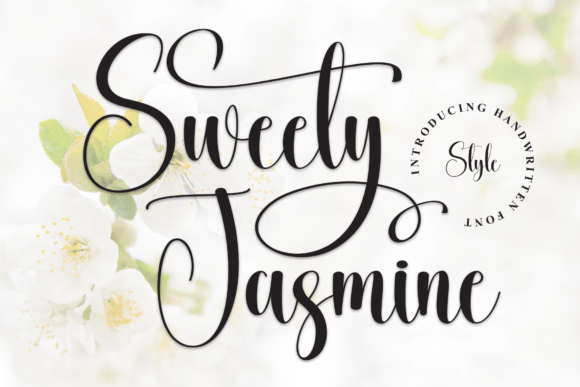
At first glance, Sweety Jasmine presents a flowing, connected script that feels both sophisticated and approachable. Its letterforms are inspired by classic calligraphy but have been refined with a modern sensibility. The strokes exhibit a graceful contrast, with thin, delicate hairlines transitioning into more substantial downstrokes. This creates a beautiful rhythm that guides the eye smoothly across a line of text.
The overall personality of this typeface is one of stylish elegance. It avoids the overly casual or messy look some handwritten fonts can have, instead offering a polished, legible script. The connections between letters are intuitive, and the spacing is carefully considered to ensure words feel cohesive. This isn't a font for long paragraphs of body copy, but for headlines, names, and short phrases where its intricate details can shine. Think of it as the typographic equivalent of a beautifully penned invitation—it immediately sets a tone of care and quality.
Where Sweety Jasmine Truly Excels
The real value of a creative font lies in its application. Sweety Jasmine finds its strength in projects where emotion and aesthetics are paramount. Its natural habitat is the world of wedding stationery, from save-the-dates to thank you cards. The font’s inherent romance and formality make it a perfect fit for these occasions.
Beyond weddings, its versatility shines in various branding and marketing contexts. For logo design, especially for boutiques, florists, bakeries, or personal lifestyle brands, it can create a memorable and high-end wordmark. In packaging design, it adds a touch of artisanal quality to labels for cosmetics, gourmet foods, or handmade goods. The font also performs beautifully in editorial design—think magazine headers, blog post titles, or the title page of a recipe book.
For digital creators, Sweety Jasmine is a powerful tool for social media graphics. It can make quotes, announcements, and promotional posts stand out in a crowded feed. Its elegance also translates well to thank you pages, email headers, and website banners where you want to make a personal connection with your audience. It’s a typeface that helps build a brand identity rooted in authenticity and style.
Practical Guidance for Using This Typeface
Choosing the right font is only half the battle; using it effectively is what makes the difference. Here’s some practical advice for integrating Sweety Jasmine into your workflow.
Evaluate the Project Fit: Before you commit, ask yourself: Does this project call for a handwritten, elegant script? Sweety Jasmine works best for short, impactful text elements. It’s ideal for headlines, logos, and decorative text, but would be challenging to read in a 12-point paragraph on a website. For body text, you’ll want to pair it with a clean, highly readable sans serif font or a classic serif font.
Master the Font Pairing: A successful font pairing creates contrast and hierarchy. Let Sweety Jasmine be the star for your headline or logo, and support it with a neutral, geometric sans serif for supporting text. For example, pairing it with a font like Montserrat or Lato creates a beautiful balance between ornate and functional. This contrast ensures your design remains professional and legible while still feeling personal.
Test for Readability: Always test your designs at the intended size and on the intended medium. What looks stunning on a large wedding invitation might become illegible when shrunk down for a business card. Check the clarity of letter combinations, especially where characters connect. Most premium fonts like Sweety Jasmine include stylistic alternates or ligatures—explore these features to customize the look and solve any tricky letter pairings.
Understand the Licensing: Since Sweety Jasmine is a commercial font, ensure you have the correct license for your use. If you’re a designer creating a logo for a client, you typically need a license that permits the font to be embedded in the final deliverable for the client’s use. Always review the specific license agreement that comes with your font purchase to avoid any issues down the line.
Building a Cohesive Visual Language
Using a distinctive typeface like Sweety Jasmine is a strategic decision. It doesn’t just decorate a surface; it communicates values. It suggests a commitment to craftsmanship, an appreciation for beauty, and a desire to create a genuine connection. When used consistently across your brand identity—on your website, your social media, your print materials—it becomes a recognizable element that audiences associate with your unique aesthetic.
In the end, typography is about voice. Sweety Jasmine provides a voice that is confident, graceful, and warmly inviting. By understanding its strengths and applying it thoughtfully, you can transform ordinary projects into memorable experiences that resonate deeply with your audience. It’s more than just a design asset; it’s a tool for telling your story with elegance and heart.