Ranchos: The Quirky Handwritten Font for Standout Designs
Understanding the Personality of Ranchos
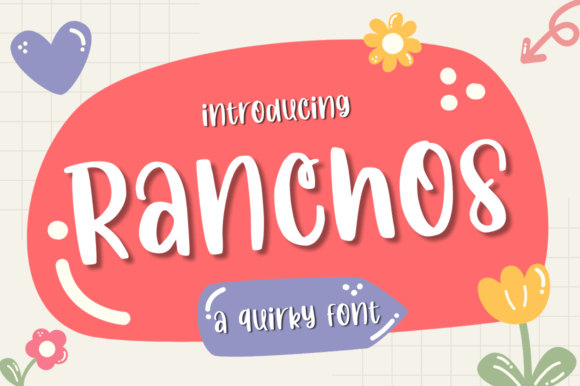
When you first encounter Ranchos, it's clear this isn't your typical script font. It’s a premium font that steps away from the fluid, elegant curves usually associated with calligraphy. Instead, Ranchos embraces a jagged, energetic rhythm that feels spontaneous and raw. The letterforms are distinctively unconventional; they feature irregular baselines and varying stroke weights that mimic the hurried, authentic scrawl of a creative mind jotting down ideas on a napkin. This handwritten font doesn't try to be perfect, and that is precisely its strength. It offers a visual texture that is difficult to replicate with standard sans serif or serif font families.
The appeal of Ranchos lies in its ability to convey a sense of immediate personality. In a landscape dominated by clean, geometric vectors and polished modern typography, Ranchos feels like a breath of fresh air. It brings a human element to digital design that can often feel sterile. If you are working on a project that requires a voice—literally or figuratively—this typeface speaks volumes without needing a single word of copy. It suggests creativity, playfulness, and a refusal to take things too seriously. For designers and creators who want to inject a dose of whimsy into their work, Ranchos provides the perfect vehicle.
Where Ranchos Fits Best: Real-World Applications
One of the most common questions regarding creative font choices is suitability. Where does a font as distinct as Ranchos actually work? The answer lies in context. Ranchos is an excellent choice for greeting cards, particularly those intended for birthdays, congratulations, or humorous messages. Its quirky nature instantly lifts the mood. Similarly, in poster design, especially for indie music gigs, art exhibitions, or local comedy shows, Ranchos grabs attention. It sets a tone that is casual and inviting, breaking the barrier between the brand and the audience.
Beyond stationery and print, Ranchos has significant value in packaging design and brand identity. Consider a small-batch coffee roaster, a vegan bakery, or a handmade soap company. These brands often struggle to differentiate themselves using the same recycled sans serif font combinations. Ranchos offers them a way to look artisanal and authentic. When used on a coffee bag or a soap wrapper, the font implies that a human being crafted the product with care. It works beautifully for logos where the goal is to appear approachable rather than corporate.
In the digital sphere, Ranchos shines in social media graphics and web design accents. It is rarely a good idea to use a handwritten font for long-form body text on a website due to readability concerns. However, for Instagram quotes, YouTube thumbnails, or call-to-action buttons, Ranchos performs exceptionally well. It breaks the visual monotony of a webpage. For bloggers and content creators, using Ranchos for pull quotes or chapter headings in editorial design can make long articles feel more dynamic and easier to scan. It serves as a visual anchor that draws the eye to the most important parts of the content.
Strategic Typography: How Ranchos Influences Perception
Typography is rarely just about aesthetics; it is a tool for psychological influence. The choice of display font directly impacts how your audience perceives your brand's professionalism and tone. By selecting Ranchos, you are making a strategic decision to prioritize approachability over authority. This is a crucial distinction. A law firm should probably avoid Ranchos, but a children’s educational app or a travel vlogger would benefit immensely from it. The font signals that the content is meant to be enjoyed, not just consumed.
However, the effectiveness of Ranchos relies heavily on how you manage visual hierarchy. Because it is a display font with high character, it demands to be the focal point. If you pair it with another loud or decorative font, the design will likely become chaotic. The rule of thumb here is contrast. Ranchos pairs exceptionally well with clean, geometric sans serif fonts or classic, readable serif fonts. For example, using Ranchos for a headline and a font like Roboto or Garamond for the body text creates a balanced composition. The headline provides the personality, while the body text provides the clarity and readability necessary for longer reading.
Practical Tips for Implementing Ranchos
If you are considering adding Ranchos to your design assets, there are a few practical factors to evaluate. First, always test the font at the size you intend to use it. While Ranchos works well at larger sizes, its quirky details might get lost or become muddy at very small point sizes. This is particularly important for web design, where text might render differently across various devices.
Second, consider the font pairing carefully. Do not simply rely on your gut feeling; mock up a few variations. Try setting a sentence in Ranchos and then the paragraph text in a standard sans serif. Does the weight feel balanced? Ranchos has a medium visual weight, so it usually pairs best with regular or light weights of body fonts to avoid the page looking too dark.
Finally, look at the technical aspects of the commercial font license. If you are a small business owner or entrepreneur, ensure the license covers your specific usage, whether it is for physical products like merchandise or digital products like app interfaces. A robust premium font like Ranchos usually comes with OpenType features, such as alternate characters or ligatures. Exploring these features can help you customize the look even further, ensuring that your use of Ranchos feels unique to your specific brand identity.
Ultimately, Ranchos is more than just a collection of letters; it is a tool for storytelling. It allows marketers, crafters, and designers to step away from the safety of standard corporate typefaces and engage with their audience on a more human level. Whether you are designing a logo, a flyer, or a website header, Ranchos offers a way to be memorable, engaging, and undeniably fun. It proves that in the world of modern typography, sometimes the most effective designs are the ones that look the least "designed."