Calligraph: The Graceful Script Font for Modern Designers
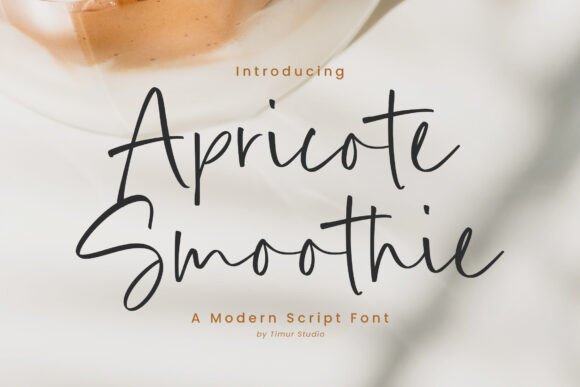
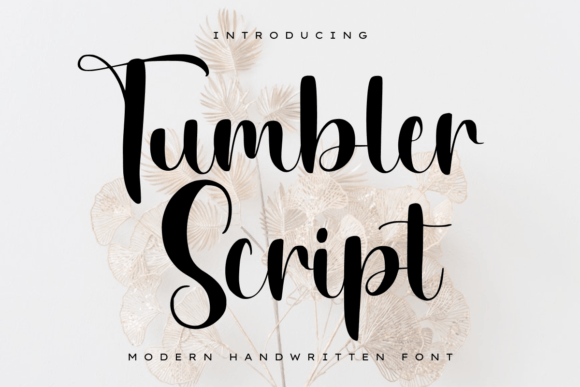
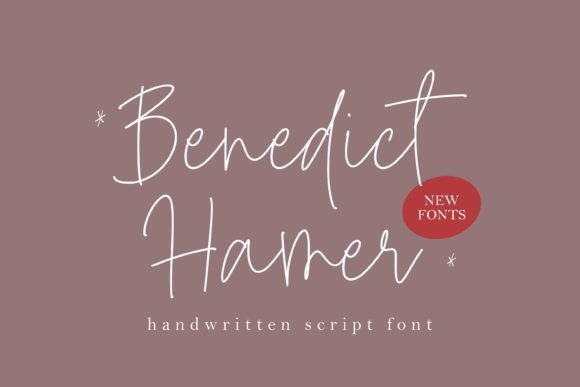
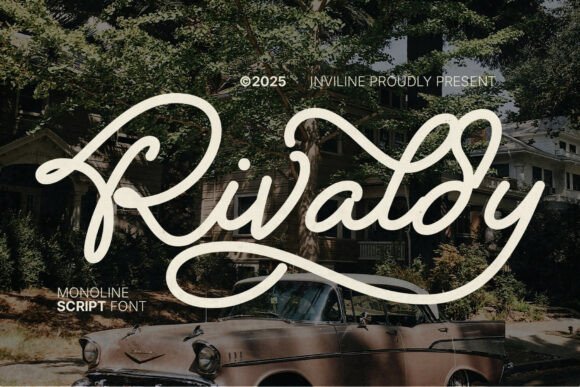
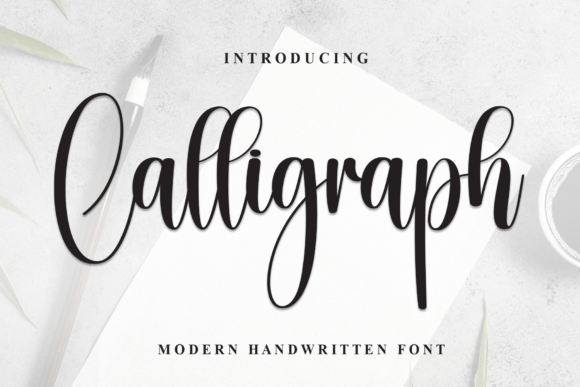
There's a particular kind of magic in a font that feels alive. You know the type—it doesn't just sit on the page; it dances across it. Calligraph is exactly that kind of typeface. With its fluid strokes and gentle curves, this handwritten script font captures the elegance of a dancer's movement, translating it into letterforms that feel both sophisticated and approachable. If you've been searching for a creative font that bridges the gap between refined and whimsical, this might be the one worth exploring.
What Makes Calligraph Stand Out in a Crowded Font Market
Let's be honest: the world isn't short on script fonts. A quick scroll through any font marketplace reveals thousands of handwritten options, each claiming to be the perfect blend of charm and professionalism. So what sets Calligraph apart?
It comes down to restraint. Many script fonts overdo the flourishes, layering on swashes and ligatures until the text becomes nearly unreadable. Calligraph takes a different approach. Its letterforms maintain a natural, organic rhythm without sacrificing clarity. The connections between letters feel intuitive rather than forced, as if someone actually sat down with a brush pen and wrote each word by hand. That authenticity matters more than most people realize—especially when you're building a brand identity or designing marketing materials that need to resonate with real audiences.
The personality of Calligraph leans romantic without tipping into sentimentality. It carries a warmth that works beautifully for wedding invitations and greeting cards, yet it has enough structure to hold its own in logo design and editorial layouts. This duality is rare. Most handwritten fonts commit fully to one end of the spectrum—either they're too casual for professional use or too stiff to feel genuinely personal.
Where Calligraph Truly Shines
Understanding where a font works best saves you hours of trial and error. Here's where I've seen Calligraph deliver consistently strong results:
Branding and Logo Design
For small businesses in lifestyle, beauty, wellness, food, and artisan spaces, Calligraph offers an immediate sense of authenticity. A bakery, a boutique florist, or a handmade candle brand can use this typeface as part of their brand identity to communicate craftsmanship and care. Pair it with a clean sans serif font for body text, and you've got a visual system that feels both polished and personal.
Invitations and Event Design
This is Calligraph's natural habitat. Wedding invitations, save-the-dates, baby showers, milestone celebrations—anywhere you want to evoke emotion and elegance, this script font delivers. Its gentle curves and flowing connections create a sense of intimacy that more geometric typefaces simply can't achieve.
Packaging Design
If you're designing labels for artisan products—think small-batch jams, handmade soaps, specialty teas—Calligraph adds that handmade quality consumers associate with care and attention to detail. It signals "crafted with love" without you having to spell it out.
Social Media Graphics and Digital Content
Bloggers, content creators, and social media managers often need fonts that stop the scroll. Calligraph's visual appeal makes it effective for quote graphics, Instagram stories, Pinterest pins, and YouTube thumbnails. Just be mindful of size—script fonts generally need larger point sizes to remain legible on small screens.
Editorial Design and Publishing
Magazine headers, chapter titles in books, pull quotes, and section dividers benefit from the visual interest Calligraph provides. It creates a natural hierarchy when used alongside a serif font or sans serif for body copy, guiding the reader's eye through the layout.
How a Script Font Like Calligraph Influences Perception
Fonts do more than display words—they shape how people feel about those words. This isn't abstract design theory; it's something you can observe in real-world projects.
When a potential customer encounters your logo set in a handwritten font like Calligraph, their brain makes instant associations: warmth, personality, human touch, creativity. Compare that to a cold, industrial sans serif, which might communicate efficiency and modernity but lacks emotional texture. Neither is inherently better—they serve different purposes. But if your goal is to make people feel welcome, appreciated, or emotionally connected to your brand, a script font does heavy lifting that other typefaces can't match.
Readability is the trade-off you need to manage honestly. No script font—Calligraph included—should be used for long paragraphs of body text. That's not what it's designed for. Use it strategically: headlines, logos, short phrases, accent text. For anything longer than a sentence, switch to a readable serif font or sans serif. This isn't a limitation; it's how professional typographic hierarchy works.
Consistency matters too. Once you choose Calligraph as part of your design assets, use it consistently across touchpoints. Your website header, business cards, social media templates, and email signatures should all reference the same typographic language. This builds recognition over time. People start associating that particular visual rhythm with your brand before they even read the words.
Practical Guidance for Choosing and Using Calligraph
Before committing to any premium font, test it against your specific needs. Here's a practical checklist:
- Evaluate the project fit. Does the tone of Calligraph match the message you're communicating? It's ideal for brands and projects that value elegance, warmth, and personal connection. It's less suited for tech startups, corporate communications, or anything requiring a strictly formal tone.
- Test font pairings. Open your design software and set Calligraph alongside candidates for your secondary typeface. A geometric sans serif like Montserrat or a classic serif like Playfair Display often creates a balanced pairing. The contrast between the flowing script and a structured companion font creates visual interest while maintaining readability.
- Review the included styles. Check whether the font family includes alternates, ligatures, and swashes. These extras give you flexibility—swap out a letterform that feels repetitive, or add a flourish to a logo mark for extra distinction.
- Check readability at actual size. Set a few sample words at the size you'll actually use them. Script fonts can look gorgeous at 72 points on a mood board but fall apart at 14 points on a business card. Test before you buy.
- Understand commercial licensing. If you're using Calligraph for client work, merchandise, or products you sell, verify the license covers commercial use. Most premium fonts offer this, but the terms vary. Read the fine print so you're protected.
One more practical note: if you're working in web design, confirm that the font files include web-ready formats like WOFF and WOFF2. Loading a script font on a website requires attention to performance—large font files slow down page speed, which affects both user experience and search rankings.
Finding the Right Balance
The best designers I know treat fonts like ingredients in a recipe. You wouldn't make a dish entirely from saffron—no matter how premium the ingredient. Calligraph is your saffron: a small amount transforms the dish, but too much overwhelms it.
Use this handwritten font with intention. Let it headline your invitation. Let it grace your logo. Let it add personality to your social media graphics. Then step back and let cleaner, more neutral typography handle the supporting roles. That balance—between expressive and functional, between personal and professional—is where good design lives.
If your work involves connecting with people on a human level, a typeface like Calligraph deserves a spot in your toolkit. It won't solve every design challenge, but for the projects where elegance, warmth, and authenticity matter, it's a remarkably effective choice.